Research


Overview - Programmable molecular systems
Our mission is to enable precision and personalized approaches to medicine via the development of molecular and nanoscale technologies that are amenable to rational design (i.e. programmable). Our current efforts largely focus on engineering immune-based therapies to treat cancer and cellular diagnostics. We are an interdisciplinary research laboratory working at the intersection of nanotechnology, molecular engineering, immunology, and computational biology.
Overview - Programmable molecular systems
Immune-therapeutics and personalized vaccines
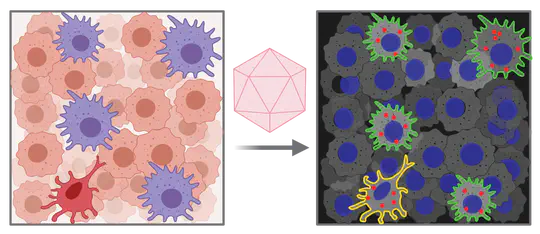
In defense of a vast border, our immune system has evolved intricate mechanisms to recognize pathogenic microbes such as viruses and bacteria. Using a range of techniques - DNA nanotechnology, molecular engineering, materials chemistry - we can engineer biosynthetic nanotechnologies that recapitulate the signals presented by these pathogens. We are using this capability to develop therapeutic strategies that direct powerful immune responses against complex diseases such as cancer.
Learn more
Immune-therapeutics and personalized vaccines
Molecular and single-cell technologies
Much of what happens inside the body is hidden to us, but are collectively encoded by incredible cell-type diversity and cell-cell interaction networks. We combine seemingly distant fields - DNA nanotechnology, machine learning, imaging, and microfabrication - to develop assays with unprecedented abilities to unravel this complexity of biological systems, dissect cell phenotypes, and diagnose diseases.
Learn more
Molecular and single-cell technologies

Latest News

Kousha, Eric, and David's review paper on in vivo translation of DNA origami now published in Trends in Biotechnology. Congrats team!

Our Review article was just published in Trends in Biotechnology: “In vivo translation of DNA origami: a virus-like particle design framework.” Read it online here

DNA origami gives us extraordinary control over nanoscale structure to develop exciting advances in vaccines, therapeutics, and targeted drug delivery.

But translating DNA origami into in vivo applications requires more than building increasingly sophisticated nanostructures. The real challenge is engineering materials that can survive, navigate, and function within complex biological environments.

This review proposes a virus-inspired framework to do just that.

Huge thanks to a great team — Kousha Kamal, Eric Chiu, Ziji Guo, and Kim Tsoi. And here’s a photo from our lunch celebration

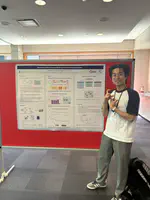
Kousha, Eric, and David's review paper on in vivo translation of DNA origami now published in Trends in Biotechnology. Congrats team!
Amir's study on protecting DNA origami using PEG-grafted oligolysines now published in JACS! Congrats Amir and team!

Amir, Travis, and Shana’s work, now published in the Journal of the American Chemical Society, showed that PEG grafted oligolysines can stabilize DNA origami while mediating interactions of surface-displayed ligands with cellular receptors. Congratulations team!